
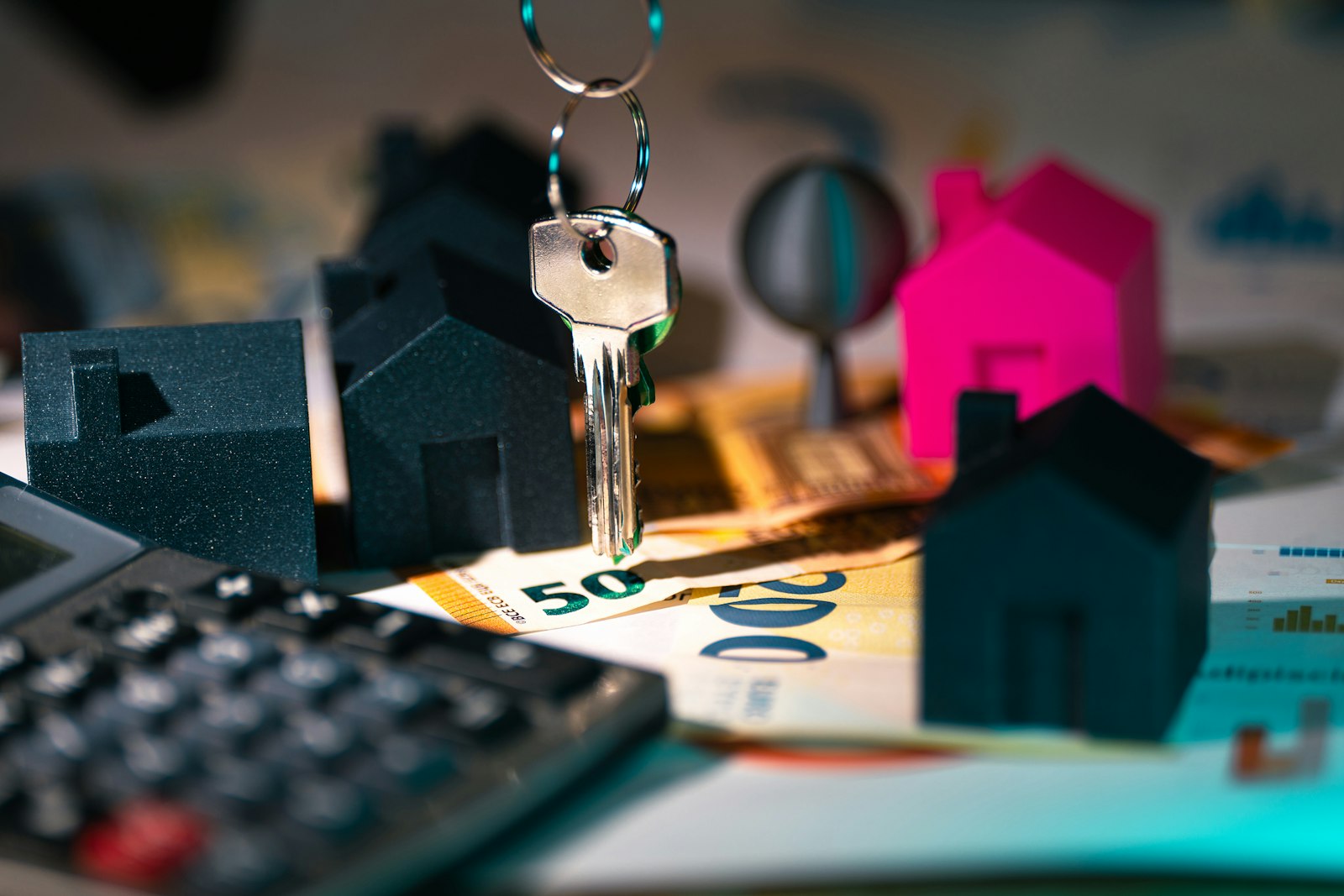
"Renting is throwing money away" is the most repeated line in home buying, and it's mostly wrong. Rent buys you a place to live for a month — that's not waste, that's the transaction. The real question isn't whether renting "wastes" money. It's whether, at your specific numbers, buying beats renting closely enough, for long enough, to justify the costs that only buyers pay.
Those buyer-only costs are the part most rent-vs-buy arguments skip. Here's the actual shape of the comparison.
What renting actually costs you
Just the rent, plus whatever renter's insurance runs (usually modest). That's close to the whole picture. Rent can rise at renewal, but you're not exposed to a roof, a furnace, or a property tax reassessment.
What buying actually costs you
Buying's sticker price is the mortgage payment, but that's not the comparison — the comparison is total cost of occupancy, and buying carries several costs renting doesn't:
- Closing costs on the way in. Typically 2–5% of the purchase price, paid once, gone the moment you sign.
- Maintenance and repairs. A common planning rule is 1–2% of home value per year — a $400,000 house is roughly $4,000–$8,000 annually in upkeep that a landlord would otherwise absorb.
- Selling costs on the way out. Realtor commissions and closing costs typically run 6–10% of the sale price. This is the big one people forget — if you sell in 2–3 years, this cost alone can erase most of your equity gains.
- The opportunity cost of your down payment. That cash isn't in the market earning a return; it's sitting in your house.
The math that actually settles it
A real rent-vs-buy comparison weighs:
- Monthly cash cost — mortgage payment (principal, interest, taxes, insurance, PMI, HOA) vs. rent.
- One-time costs — closing costs in, realtor commission out, amortized over how long you expect to stay.
- Equity built — the portion of each mortgage payment that pays down principal, which you get back (minus selling costs) when you sell.
- Opportunity cost — what your down payment would have earned invested elsewhere instead.
Run those four together and you get an actual number, not a vibe. The two inputs that move the answer the most are how long you'll stay and your down payment size — everything else (rate, tax rate, insurance) matters less than people assume.
Questions to answer before you run the numbers
- How long will you actually stay? Be honest, not aspirational. A job that might relocate you in 2 years changes this entire calculation.
- Is your down payment coming from savings that would otherwise be invested? If it's cash sitting idle anyway, the opportunity cost is lower.
- What's rent doing in your market? Rising rents shrink the gap that makes renting look cheap.
- Can you actually afford the monthly payment, not just qualify for it? Affordability and "the bank will approve me" are different questions — see the affordability calculator below.
Size your own number
Get your realistic price ceiling based on income, debts, and cash on hand — free, no signup.
The honest bottom line
Buying wins financially when you stay long enough for equity and appreciation to absorb the one-time transaction costs, and when the monthly cost gap versus renting isn't extreme. Renting wins when your timeline is short, uncertain, or when your market's rent-to-price ratio makes buying a stretch. Neither side of "rent vs. buy" is a moral choice — it's a math problem with your specific inputs, and it's worth actually running the numbers instead of defaulting to whichever line you heard first.